
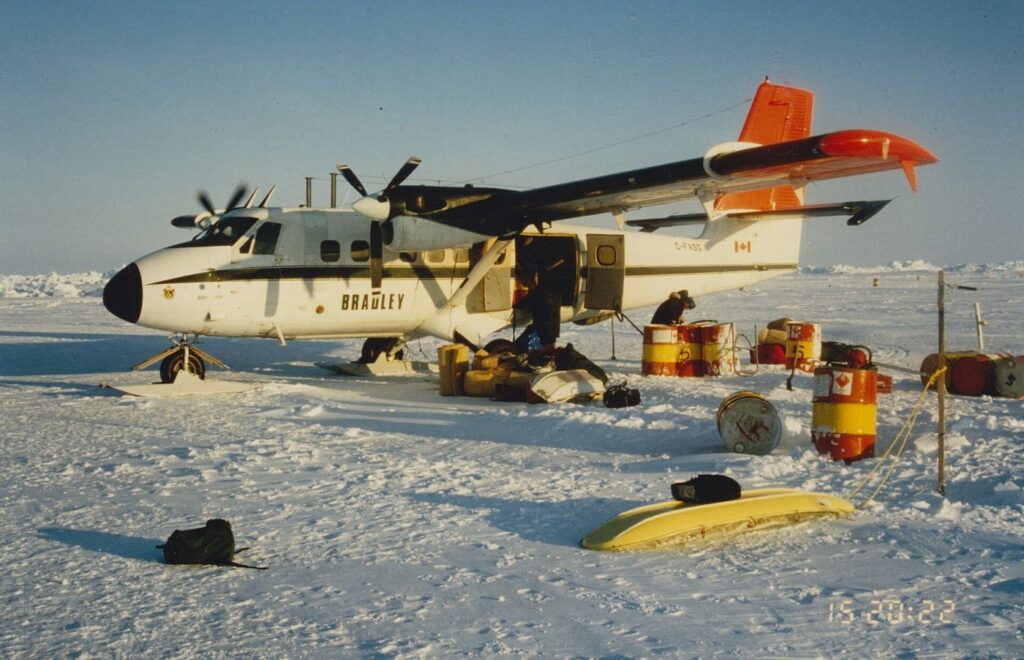
A long term monitoring programme in the Arctic Ocean has found that winter sea ice is thinning faster than earlier satellite estimates suggested. Research teams combined satellite measurements with data from autonomous buoys frozen into the ice, recording thickness, temperature and drift through the polar night. The combined record shows thinner ice is more likely to break up during storms and melt quickly when summer arrives. Scientists say winter conditions set the stage for the rest of the year. Specialists following Arctic sea ice monitoring say the findings matter for global weather and sea levels, even for communities far from the poles. Open water absorbs more sunlight than reflective ice, warming the ocean and reinforcing further melting. Changes in ice cover also affect winds and ocean currents that influence rainfall and temperatures at lower latitudes. Wildlife depends on stable ice for hunting and breeding, while shipping routes and coastal erosion risks shift as cover declines. The researchers stress that year to year weather still causes variation, but the direction over decades is consistent across independent measurement methods.
What the Evidence Shows
Fieldwork in the region is becoming harder as the ice itself grows less predictable. Teams must plan travel around thinner floes and more frequent storms, increasing costs and safety checks. Indigenous communities hold detailed knowledge of local ice behaviour, and research projects are involving residents in observation networks and data interpretation. That collaboration improves safety and ensures findings reflect conditions that matter to people who live there year round. New sensors are being deployed to fill gaps between satellite passes, transmitting measurements through the winter darkness. Oceanographers are particularly interested in how meltwater layers affect heat transfer from warmer deep water. If that heat reaches the ice base more easily, thinning could accelerate further. The study team will compare the latest season with historical records from ships and aircraft. Their conclusion is measured but firm: protecting the remaining thick ice is becoming harder, and the Arctic is changing faster than many models anticipated. Reporting and analysis from sources such as NASA track the same developments, and specialists following Arctic sea ice monitoring say the direction is now consistent across independent lines of evidence.
The Wider Context
Funding bodies are watching Arctic sea ice monitoring closely because the work sits at the junction of basic curiosity and practical return. Grant panels increasingly ask for a path from discovery to application, while researchers push back that the most valuable uses of fundamental science are rarely the ones written into the original proposal. The tension is productive when both sides stay honest about timescales.
What Happens Next
The long view on Arctic sea ice monitoring is that fields advance by accumulation rather than by single announcements. This result adds a solid, checkable piece to a structure many teams are building, and its authors have shared their data so the piece can be tested from every side. That is how the picture eventually becomes reliable enough to act on. You can follow related developments in our coverage of science.
It is also worth remembering how quickly the picture in this area has changed before. Positions that looked settled a few years ago have been revised as new data arrived, and the same humility is appropriate now. The strongest coverage of this subject, and the most useful advice, tends to come from sources that update their views openly when the facts move, rather than defending an earlier position long after it has stopped fitting the evidence available.
